

A Quick Summary
Air conditioning in Perth has evolved from basic window units to advanced, efficient systems incorporating smart technology and environmentally friendly practices, driven by rising temperatures, technological advancements, and a focus on sustainability, necessitating skilled professionals for precise installations.
With Perth’s rising summer temperatures, air conditioning has transformed from an optional luxury into a core feature for homes and businesses alike. Over time, the way air conditioner installations are handled in Perth has changed dramatically, shaped by advancing technology and increasing consumer demand for efficiency and sustainability. This article outlines how installation methods have progressed and highlights the technologies influencing Perth’s approach to climate control.
The Beginnings of Air Conditioning in Perth
In the early days, air conditioning was limited to basic window units. These installations were straightforward but inefficient by today’s standards, with minimal energy savings and loud operation. These initial setups served their purpose but fell short in providing effective, even cooling across larger spaces.
Challenges in Early Installations
In those early years, installations faced several issues:
- Manual-Intensive Labour: Installations relied heavily on manual methods, with limited tools to streamline the process.
- Lack of Standardisation: With no industry-wide standards, installation quality varied, affecting both performance and safety.
- Inefficient Insulation: Minimal insulation techniques led to higher energy loss, making cooling less effective and more costly.
Major Technological Advances in Installations
The air conditioning industry in Perth has seen pivotal technological advancements, each reshaping installation methods:
Split Systems
The introduction of split systems marked a turning point, enabling a more flexible, efficient approach to installations.
- Installation Complexity: Split systems required specific piping for refrigerant and careful connection of both indoor and outdoor units.
- Benefits: This design offered quieter performance, increased efficiency, and seamless integration into home and office spaces.
Ducted Systems
Ducted air conditioning brought whole-building climate control, distributing cooled air across multiple areas via a network of ducts.
- Complex Installation: Ducted systems required careful planning and integration into the building’s structural design.
- Technological Benefits: Improved materials for ductwork and insulation enhanced system durability and efficiency.
Inverter Technology
The introduction of inverter technology allowed compressors to adjust their speed according to the cooling demand, significantly improving energy efficiency.
- Installation Requirements: Inverter systems required careful calibration and compatibility checks with electrical systems.
- Energy Efficiency Gains: These systems reduced energy use and maintained more consistent temperature control.
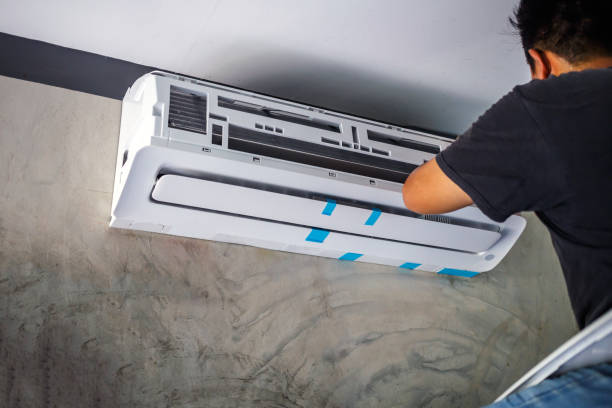
Modern Air Conditioner Installation Techniques in Perth
Air conditioner installations today are characterised by precise methods, advanced tools, and rigorous standards to ensure efficiency and safety.
- Advanced Tools & Equipment: Installers use digital manifolds for exact refrigerant measurement, vacuum pumps to clear systems of contaminants, and thermal imaging to detect insulation issues.
- Safety Standards: Compliance with the Australian Refrigeration Council (ARC) and building codes ensures safety and reliability.
- Environmental Care: Environmentally safe refrigerant handling practices are a priority, reducing environmental impact.
Integrating Smart Technology
With the advent of smart technology, installation methods now often include components such as:
- Smart Thermostats: These are designed to work seamlessly with Wi-Fi and mobile devices for remote control.
- Home Automation Compatibility: Installers ensure smart devices work together smoothly within automated home systems.
Professional Standards in Installation
As installation methods have grown more complex, so too has the need for skilled professionals.
- Certification & Training: Installers undergo rigorous training, including a Certificate III in Air Conditioning and Refrigeration.
- Continuous Learning: Professionals stay informed on the latest tools and technologies to provide quality service.
Environmental Impact of Modern Installations
Today’s air conditioner installations in Perth are designed with a focus on environmental sustainability:
- Eco-Friendly Refrigerants: New systems use low-GWP refrigerants like R32 to reduce environmental impact.
- Energy-Efficient Designs: High Energy Efficiency Ratios (EER) and Coefficients of Performance (COP) lower energy use.
- Enhanced Insulation: Better insulation and sealing help to minimise energy losses.
The Future of Air Conditioner Installations in Perth
The installation landscape continues to evolve, with new innovations paving the way:
- IoT Integration: IoT-enabled systems offer features like remote monitoring and predictive maintenance, which help extend system life and efficiency.
- Renewable Energy Options: Integration with solar energy systems is on the rise, making air conditioning more eco-friendly.
- New Materials: Advanced materials, including nanotechnology and 3D-printed parts, may soon become standard in installations, further improving efficiency.
Conclusion
The evolution of air conditioner installations in Perth highlights the impact of technological progress on how we manage indoor climate control. From basic window units to highly efficient, smart-controlled systems, modern installations demand expertise and precision. For those seeking reliable air conditioner installations in Perth, selecting a provider with up-to-date knowledge on these advancements is crucial to ensure comfort, energy savings, and environmental responsibility.


