A Quick Summary
Managing biofilm formation on glass surfaces, such as windows, is challenging due to the protective extracellular polymeric substance (EPS) that shields microorganisms, requiring specialized cleaning methods like chemical treatments, pressure washing, steam cleaning, and UV treatment, along with preventative measures such as regular cleaning schedules, hydrophobic coatings, and humidity control, with professional window cleaners in Perth offering tailored solutions to effectively address and prevent biofilm growth.
In the field of cleaning and maintenance, managing biofilm formation on glass surfaces, such as windows, presents a distinct challenge. Biofilms, which consist of clusters of microorganisms adhering to surfaces, can pose cleanliness and hygiene issues for both commercial and residential properties. This article delves into the science of biofilm formation on windows and the methods for managing it, highlighting the benefits of professional services like those offered by window cleaners in Perth.
Understanding Biofilm Formation on Windows
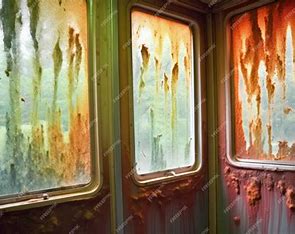
Biofilms are intricate communities of bacteria, fungi, and algae that attach to surfaces and protect themselves with a slimy extracellular polymeric substance (EPS). This EPS acts as a barrier, making it difficult for standard cleaning methods to remove biofilms thoroughly. Factors such as moisture, dust, and organic matter contribute to the development of biofilm on windows, especially in areas with high foot traffic or humidity.
Common microorganisms found in window biofilms include:
- Bacteria like Pseudomonas and Staphylococcus species, known for their resilience and rapid spread.
- Algae and Cyanobacteria, which can appear as green or dark streaks on glass.
- Fungi that can thrive in low-nutrient conditions, often seen as black spots or streaks.
Challenges of Microbial Biofilm Formation
Microorganisms within biofilms communicate through a process called quorum sensing, enabling them to organise and enhance their resistance to cleaning solutions. This coordinated behaviour, coupled with the protective EPS, makes biofilms more difficult to remove than individual microorganisms. Routine cleaning may only address surface-level grime, leaving behind biofilm that can quickly re-establish itself.
Cleaning Challenges of Window Biofilms
The EPS barrier complicates the cleaning process, protecting microorganisms from most detergents and cleaning agents. Standard cleaning methods may even spread biofilm over a larger area rather than fully removing it. Effective management of biofilm requires specialised methods that can break down the EPS layer, allowing for deeper cleaning and reducing the chances of regrowth.
Effective Methods for Biofilm Removal
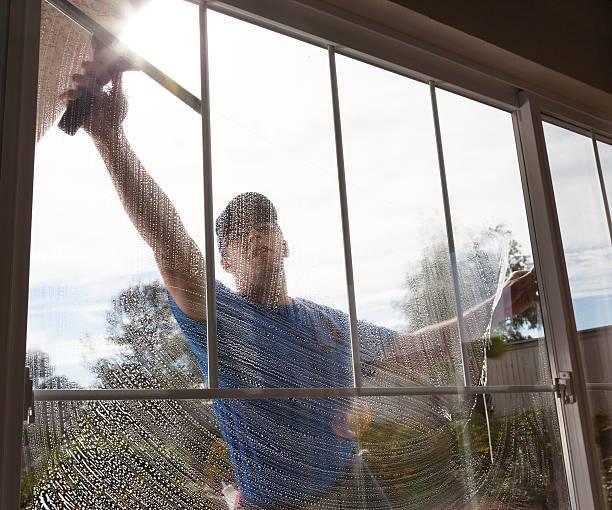
To effectively tackle biofilm on windows, professional window cleaners in Perth often use the following techniques:
- Chemical Treatments: Specialised cleaning agents can penetrate the EPS layer, loosening biofilm for easier removal. Enzyme-based cleaners are particularly effective, as they target the EPS without causing damage to glass surfaces.
- Pressure Washing: Ideal for exterior windows, pressure washing can remove surface-level biofilm and grime. However, it may not fully address thicker biofilm layers.
- Steam Cleaning: The combination of heat and moisture can loosen biofilm, making it easier to clean away while also sterilising the surface to reduce the risk of immediate regrowth.
- Ultraviolet (UV) Treatment: UV light disrupts microbial DNA, reducing the formation of biofilm. Though it involves higher costs, this method can be beneficial for areas that are prone to biofilm growth due to shade or high humidity.
Preventing Biofilm Growth on Windows
Prevention plays a key role in managing biofilm. Consistent maintenance and environmental control measures can help reduce the formation of biofilm, such as:
- Regular Cleaning Schedules: Using a professional window cleaning service helps keep windows free from dust, organic debris, and moisture, which are conducive to biofilm formation. This is especially important for high-rise buildings in Perth, where urban pollutants can accelerate biofilm growth.
- Hydrophobic Coatings: Applying water-repellent coatings can make surfaces less attractive for microbial attachment. A thin layer of this coating on glass can significantly reduce the adherence of biofilm, making subsequent cleaning easier.
- Humidity Control: Managing indoor humidity levels through proper ventilation and dehumidifiers helps minimise biofilm formation on interior windows, particularly in areas like bathrooms and kitchens.
The Role of Professional Window Cleaners in Perth
Due to the resilience of biofilms and their impact on hygiene, hiring professional window cleaners can ensure a more effective solution. Window cleaning specialists in Perth are familiar with the region’s unique conditions, such as coastal humidity and urban pollutants, and use cleaning techniques tailored to these challenges. Additionally, they have access to advanced equipment and environmentally friendly treatments that not only remove biofilm but also help prevent its recurrence.
Conclusion
Biofilm on windows presents a complex challenge, influencing the appearance and hygiene of both residential and commercial properties. A targeted approach using chemical, mechanical, and preventative methods is crucial for effectively managing biofilm. Professional window cleaners in Perth bring the expertise and tools needed to keep windows clear, clean, and free from microbial build-up, ensuring long-lasting results.