A Quick Summary
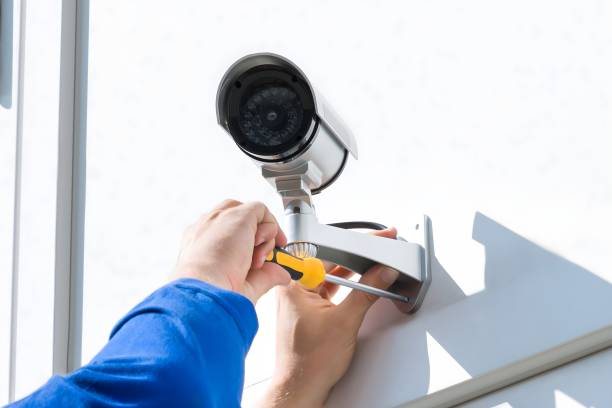
For property owners in Perth seeking to secure their premises effectively, conducting a comprehensive security audit is crucial, as it identifies vulnerabilities and guides the implementation of practical solutions such as strategic security camera placement, perimeter inspection, entry point reinforcement, enhanced lighting, surveillance system assessment, internal security measures, and routine monitoring to establish a reliable and effective security framework.
For property owners in Perth aiming to secure their premises effectively, a comprehensive security audit is essential. This systematic assessment highlights potential vulnerabilities, from perimeters to access points, allowing you to bolster defences with practical solutions like the strategic deployment of security cameras in Perth. Here’s a detailed guide on conducting an effective security audit.
Step 1: Define Security Goals and Identify Risk Areas
Begin by clarifying your security objectives. Consider:
- Which property zones require the highest security level?
- Are you prioritising deterrence, asset protection, or monitoring of specific areas?
By pinpointing these goals, you can prioritise areas like entry points or high-value asset locations. Factors like lighting, visibility, and access points should guide decisions on additional security measures, including the use of security cameras. In Perth, unique property layouts may require tailored camera placements to cover all high-risk areas effectively.
Step 2: Inspect the Perimeter
With objectives in mind, inspect the property’s perimeter, including fences, walls, and gates, for any weaknesses. Address vulnerabilities by:
- Repairing damaged barriers or adding reinforcements where necessary.
- Installing security cameras along the boundary for real-time monitoring.
- Enhancing lighting or integrating alarm systems for added deterrence.
Strategically placed cameras along property boundaries help detect intrusions early, deterring crime and offering immediate visibility of suspicious activities. Perth’s varied property layouts may necessitate customised camera placement to maintain thorough perimeter surveillance.
Step 3: Strengthen Entry Points
Doors, windows, and secondary entrances (such as garage doors) are high-priority areas. Key measures include:
- Upgrading locks to deadbolts or smart locks.
- Reinforcing frames and securing glass panels.
- Installing grilles or bars on vulnerable windows where feasible.
Position security cameras around all primary and secondary entry points for continuous monitoring. Many modern cameras in Perth come equipped with features like motion detection and remote access, enabling owners to monitor entry points in real-time from mobile devices, which is invaluable for properties with multiple access points.
Step 4: Enhance Outdoor Lighting
Proper lighting is crucial to deter intruders and eliminate hiding spots. Survey the property at night to locate poorly lit zones, such as pathways, driveways, and storage areas. Effective lighting solutions include:
- Motion-activated lights to alert occupants to movement.
- LED or solar-powered options for cost-effective, long-term use.
- Positioning lights near security cameras for enhanced video quality, especially in shadowed areas.
While modern security cameras offer night vision, additional lighting around the property remains beneficial, making it less appealing to potential intruders.
Step 5: Assess Surveillance Systems
Review the surveillance system to ensure it meets security needs, providing full property coverage. When evaluating, consider:
- Optimal placement and angle of cameras to eliminate blind spots.
- Features like high-definition resolution and remote monitoring capabilities.
- Extra functionalities, such as motion detection and night vision.
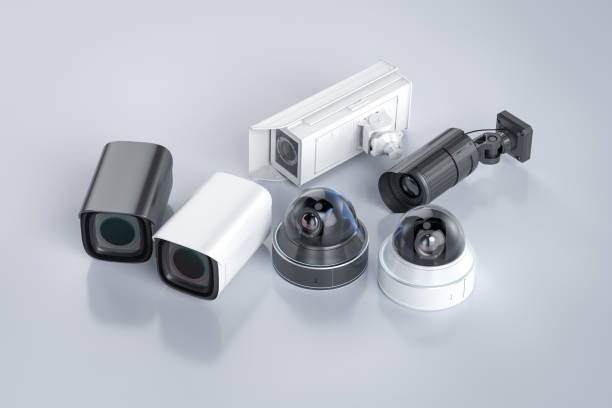
For most properties, a combination of fixed and rotating cameras ensures flexible coverage. Upgrading to newer models enhances video clarity and allows for cloud storage options, with live streaming to mobile devices for easy access.
Step 6: Internal Security Measures
In addition to external security, evaluate internal areas where valuables or sensitive information are stored. Recommended practices include:
- Implementing access control systems to restrict entry to specific zones.
- Storing valuables in secure safes or lockable cabinets.
- Positioning cameras in hallways or near valuable assets to monitor movement.
Properties in Perth, especially those containing high-value items or data, benefit from combining internal surveillance with access controls for comprehensive protection.
Step 7: Identify High-Risk Areas and Develop an Upgrade Plan
Following the audit, categorise identified high-risk zones and create an action plan. This may involve:
- Budgeting for new or upgraded security cameras.
- Scheduling maintenance or repairs for damaged security elements.
- Planning for regular audits to maintain up-to-date security measures.
An ongoing commitment to security upgrades helps Perth property owners address evolving security needs, staying prepared for emerging threats.
Step 8: Routine Monitoring and Audits
A one-time audit is a starting point; regular monitoring and follow-up audits are essential. Changing property conditions can affect security measures, so testing systems periodically ensures continued functionality. Ideally, conduct audits twice a year or more frequently for high-traffic properties in Perth.
Conclusion
A thorough security audit is an essential preventive measure to safeguard property and assets. Implementing robust security cameras in Perth is a cornerstone of this strategy, enabling continuous monitoring and acting as a strong deterrent. By following these steps, property owners can establish a reliable, effective security framework.