A Quick Summary
Air conditioning installations in Perth require strict adherence to health and safety protocols, including proper handling of refrigerants, electrical safety measures, equipment handling procedures, safeguarding residents, and emergency preparedness, to ensure a secure and efficient process for both technicians and residents.
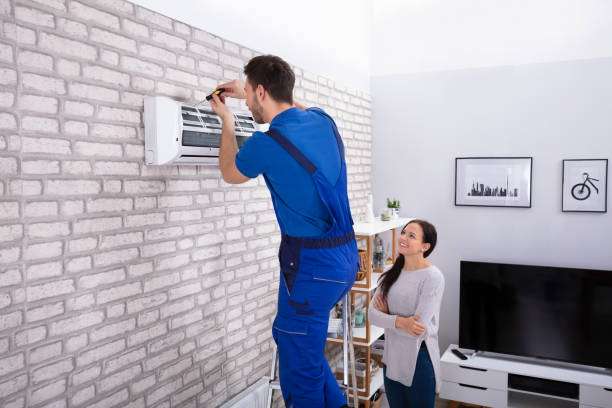
Air conditioning installations in Perth require strict adherence to health & safety protocols to safeguard both technicians and residents. Handling refrigerants, electrical components, and heavy equipment demands a commitment to safety at every stage. Below, we explore key safety measures for air conditioning installations in Perth to ensure a secure and efficient process.
Refrigerant Safety Measures
Refrigerants are vital for air conditioning systems but must be handled carefully to avoid health risks and environmental harm. Key precautions include:
- Using Personal Protective Equipment (PPE): Technicians should wear chemically resistant gloves, safety goggles, and respiratory masks to prevent exposure to harmful refrigerants during handling or leaks.
- Leak Prevention: Proper sealing techniques, such as using O-rings and flare nuts, help minimise refrigerant leaks. Electronic leak detectors or soapy water testing can confirm system integrity.
- Storage & Disposal: Refrigerants must be stored in certified, pressure-rated containers and disposed of according to Australian regulations, ensuring compliance with environmental standards.
- Technician Training: Only certified professionals familiar with Material Safety Data Sheets (MSDS) should handle refrigerants, ensuring safe and effective procedures.
Electrical Safety Precautions
Electrical systems in air conditioning installations pose significant risks if not managed correctly. These measures help ensure safe practices:
- De-energising Systems: Lockout/tagout (LOTO) procedures ensure power sources are disconnected before work begins. Verification with a voltage tester is essential.
- Using Insulated Tools: All tools must be insulated and rated for the system’s voltage to protect against electric shock. Regular tool inspections are necessary.
- Compliance with Australian Standards: Adhering to AS/NZS 3000 guidelines ensures proper circuit protection, earthing, and cable routing.
- Hazard Assessment: Pre-installation site checks help identify risks such as exposed wiring or moisture, reducing potential incidents.
- Residual Current Devices (RCDs): These devices monitor current flow and cut power in case of imbalances, protecting both equipment and personnel.
Equipment Handling Procedures
Handling heavy air conditioning units and working at heights require careful planning and execution. Critical measures include:
- Using Lifting Tools: Equipment like hoists or dollies should be used to handle heavy loads. Manual lifting must follow proper techniques to prevent injury.
- Securing Ladders & Scaffolding: Ensure ladders are stable and scaffolding is professionally assembled with guardrails to maintain worker safety.
- Team Collaboration: Assign specific roles to team members for tasks like lifting and stabilising equipment, using clear communication to avoid mishaps.
- Worksite Preparation: Clear the area of debris and assess for hazards like uneven terrain to ensure smooth equipment operation.
Safeguarding Residents During Installations
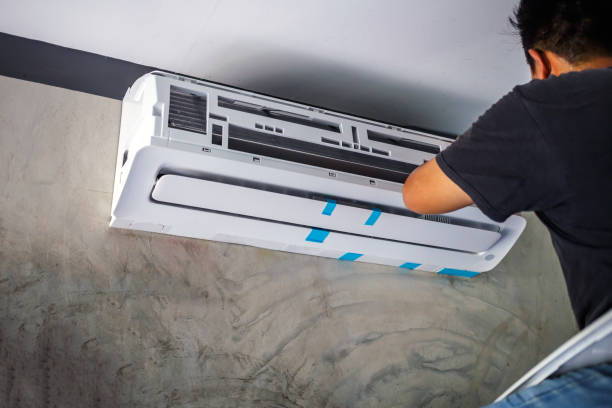
Ensuring the safety and comfort of residents during installations is as important as the installation itself. Steps include:
- Worksite Isolation: Use barriers and signage to keep residents away from the work zone.
- Minimising Disruptions: Schedule installations during less busy hours and notify residents of any potential noise, dust, or temporary power outages.
- Adequate Ventilation: Ensure proper airflow when handling materials that emit fumes, using air purifiers or fans as necessary.
- Effective Communication: Keep residents informed about the project timeline, potential risks, and required precautions.
Emergency Preparedness
Being prepared for emergencies helps minimise risks and ensures prompt responses. Key practices include:
- Stocked First Aid Kits: Ensure on-site availability of supplies for common injuries, with at least one trained first-aid officer present.
- Fire Safety: Carry appropriate fire extinguishers for electrical and chemical fires, with regular fire safety drills for the team.
- Incident Reporting: Use structured systems to document and address accidents, enabling continuous safety improvements.
- Evacuation Plans: Develop and communicate clear evacuation routes for all involved, ensuring readiness in severe situations.
Conclusion
Prioritising health & safety during air conditioning installations in Perth not only protects technicians and residents but also ensures compliance with industry standards. From refrigerant handling to electrical safety and emergency preparedness, these measures create a secure installation process.
For trusted and professional air conditioning services in Perth, choose a provider committed to excellence and safety.