A Quick Summary
Thermostatic Mixing Valves (TMVs) are essential in Perth's residential and commercial plumbing systems for regulating water temperature, ensuring safety, comfort, and energy efficiency by blending hot and cold water to prevent scalding, with compliance to Australian standards being crucial for their effective operation and maintenance.
Maintaining proper water temperature is a crucial element in residential and commercial plumbing systems in Perth. It ensures safety, comfort, and energy efficiency. A critical device enabling this is the Thermostatic Mixing Valve (TMV). This article explores how TMVs function, their advantages, and their role in achieving consistent water temperature.
The Role of Thermostatic Mixing Valves in Plumbing
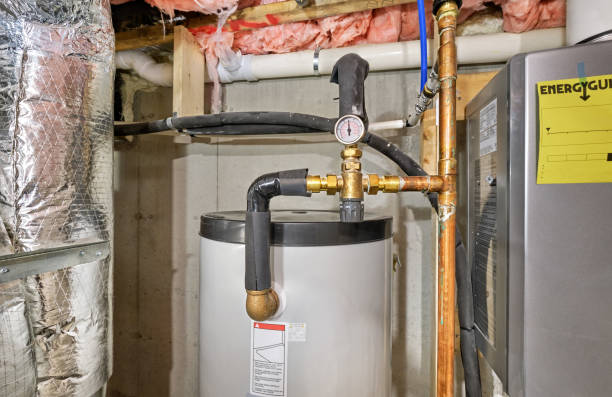
Thermostatic Mixing Valves (TMVs) are essential in regulating water temperature. They blend hot water—stored at high temperatures to prevent bacterial growth—with cold water to deliver a safe and consistent temperature. TMVs are vital in residential and commercial plumbing systems, ensuring comfort and protecting users from scalding.
The operation of a TMV relies on four key components:
- Hot and Cold Water Inlets: These allow hot water from a heater and cold water from the main supply to enter the valve.
- Thermostatic Element: A temperature-sensitive component that expands or contracts based on water temperature changes.
- Control Spindle: Connected to the thermostatic element, it adjusts the flow of hot and cold water.
- Mixed Water Outlet: The exit point for water at the regulated temperature.
How Thermostatic Mixing Valves Work
When hot and cold water enter the respective inlets of the TMV, the thermostatic element reacts to temperature fluctuations. If the water is too hot, the element expands, adjusting the control spindle to reduce hot water flow while increasing cold water. Similarly, if the water is too cold, the element contracts to allow more hot water. The mixed water exits at a consistent and safe temperature.
TMVs continuously monitor and adjust to changes in incoming water pressure or temperature. This ensures stability, reducing the risk of scalding and enhancing user comfort. Their reliability makes TMVs an indispensable tool for any professional plumber in Perth.
Benefits of Thermostatic Mixing Valves
TMVs provide numerous benefits that make them a cornerstone of modern plumbing systems:
- Safety: They prevent scalding and burns by maintaining a stable water temperature, particularly important for children and the elderly.
- Comfort: Users enjoy consistent water temperature without the need for manual adjustments during showers or baths.
- Energy Efficiency: By optimising water usage and minimising wastage, TMVs contribute to lower energy consumption and environmental sustainability.
Compliance with Australian Standards
Thermostatic Mixing Valves in Australia are regulated under strict standards, such as AS 4032.1-2005, which outlines performance, testing, and marking requirements. Compliance with these standards is essential for safety and legal adherence. For instance, facilities like aged care homes and childcare centres in some regions must undergo annual inspections of their TMVs by licensed technicians.
As experienced plumbers in Perth, we prioritise compliance with these regulations to ensure the safety and reliability of every plumbing system we service.
Conclusion
Thermostatic Mixing Valves play a crucial role in providing safe, comfortable, and energy-efficient water temperature regulation. Understanding their operation underscores their importance in daily life and highlights the need for regular maintenance and compliance with Australian standards.
By relying on skilled plumbers in Perth, you can ensure that your TMVs are installed and maintained to the highest standards, providing peace of mind and long-term reliability.