A Quick Summary
Bathroom renovations can enhance your home's value and functionality, but to prevent costly leaks, it is essential to conduct professional leak inspections, prioritize high-quality waterproofing, choose durable materials, ensure proper drainage design, thoroughly test waterproofing, hire experienced tradespeople, and monitor for leaks post-renovation, with the assistance of experts in water leak detection.
Undertaking bathroom renovations can enhance your home’s value and functionality, but without careful planning, leaks may lead to costly repairs. Ensuring proper leak prevention involves quality installations, effective waterproofing, and the use of durable materials. Here’s a practical guide to safeguarding your bathroom against potential water damage.
1. Conduct Professional Leak Inspections Before Starting
Before beginning your renovation, it’s critical to identify any existing leaks. Engaging experts in water leak detection in Perth helps uncover hidden problems like damaged pipes or seals. Addressing these issues before renovations begin minimises the risk of further complications during or after the project.
2. Prioritise High-Quality Waterproofing
Effective waterproofing is essential for protecting your bathroom against water damage, particularly in areas like showers, bathtubs, and sinks. Ensure your contractor uses premium waterproofing materials and follows these guidelines:
- Apply waterproofing membranes on floors and walls.
- Seal all corners, joints, and edges with silicone or specialised sealants.
- Use materials compliant with Australian standards for long-term protection.
Proper waterproofing reduces the likelihood of water seeping into subfloors or walls, safeguarding your bathroom’s integrity.
3. Choose Durable Materials
Selecting the right materials plays a significant role in preventing leaks. Opt for water-resistant and long-lasting options, such as:
- Non-porous tiles & epoxy grout to resist water absorption and cracking.
- Corrosion-resistant pipes and fixtures like high-quality plastic or copper.
- Waterproof flooring options such as vinyl or ceramic tiles.
Proper installation is equally crucial to ensure there are no weak spots. For added assurance, consider hiring specialists in water leak detection in Perth to inspect the newly installed systems.
4. Ensure Proper Drainage Design
Efficient drainage prevents standing water, which can lead to leaks and structural issues. To optimise drainage, focus on:
- Drain Placement: Install drains at the lowest points to promote water flow, especially in showers and wet rooms.
- Slope Gradients: Ensure floors meet Australian standards of at least 1:80 for effective drainage.
- Durable Drainage Systems: Use rust-proof materials for drains and grates.
- Waterproof Membranes: Seal around drainage outlets to prevent seepage.
Engaging a licensed plumber ensures compliance with local building codes and optimal drainage performance. Professionals specialising in water leak detection in Perth can also identify potential vulnerabilities in your drainage system.
5. Test Waterproofing Thoroughly
Testing your waterproofing system is an essential step before completing your renovation. Use these methods to confirm its effectiveness:
- Flood Testing: Fill key areas, such as shower bases, with water and check for leaks over 24 hours.
- Infrared Scans: Advanced imaging can detect hidden moisture behind walls or under floors.
- Targeted Testing: Focus on high-risk spots like corners and pipe penetrations.
Should leaks be identified, address them immediately by resealing or replacing faulty materials. For reliable results, hire experts in water leak detection in Perth to conduct thorough testing before finalising your bathroom finishes.
6. Use Experienced Tradespeople
Hiring skilled professionals ensures a seamless renovation process and reduces the risk of future leaks. Key experts include:
- Plumbers for secure pipe connections and proper water pressure settings.
- Tilers to install tiles and grout with precision, avoiding gaps where water could penetrate.
- Waterproofing Specialists to apply and test protective membranes effectively.
Skilled tradespeople work collaboratively to integrate plumbing, waterproofing, and tiling, ensuring a durable and leak-free bathroom.
7. Monitor for Leaks Post-Renovation
After completing your renovation, remain vigilant for early signs of leaks, such as:
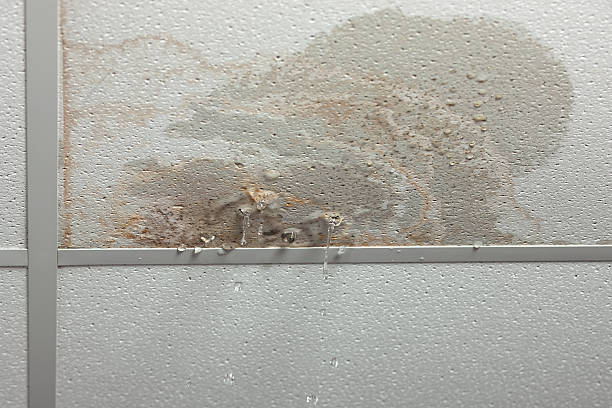
- Bubbling paint, damp odours, or persistent puddles.
- Cracked tiles or damaged grout.
- Increased water usage without an apparent cause.
Conduct periodic moisture checks and schedule regular inspections with professionals in water leak detection in Perth. Early identification and resolution of potential issues can save you from expensive repairs.
Final Thoughts
Preventing bathroom leaks during renovations involves careful planning, quality workmanship, and reliable materials. Addressing pre-existing issues, implementing proper waterproofing, and monitoring the results can help you enjoy a functional and leak-free bathroom for years to come.
For expert assistance and peace of mind, consult a professional service for water leak detection in Perth to ensure your renovation is a success.